
EV Heavy-Duty Transport
Electric commercial vehicles introduce higher curb weight, different weight distribution, and tighter clearance tolerances than traditional platforms. Brickstone Logistics transports EV step vans, minibuses, buses, and other Class 3–6 vehicles using equipment designed specifically for heavier vehicle geometry.
Request Transport Review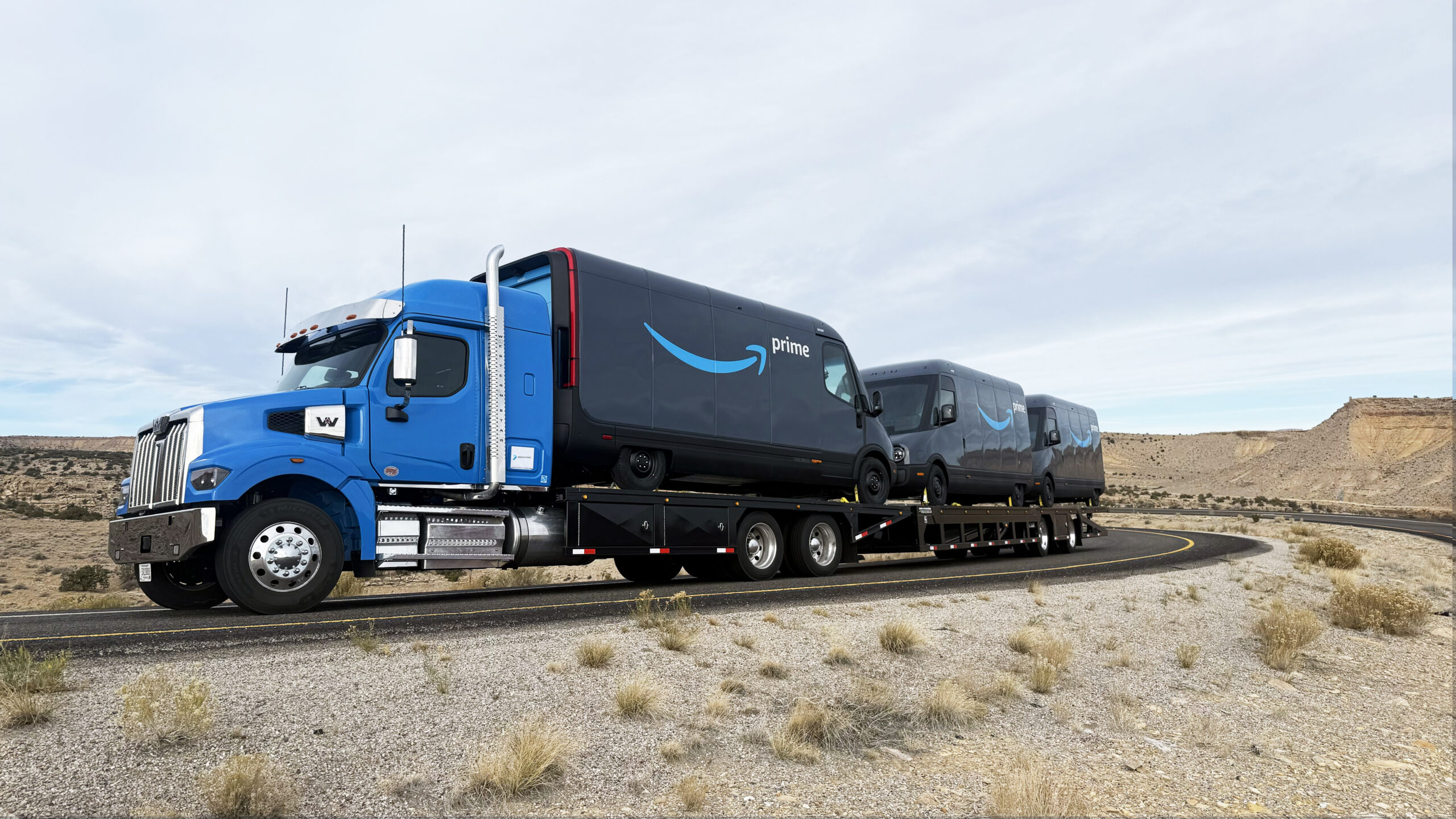
How EV commercial vehicles change transport requirements
Get started ›Higher curb weight
Electric commercial vehicles often weigh significantly more than comparable gas platforms.
Different weight distribution
Battery placement changes how weight sits across the vehicle during loading and transit.
EV vehicles we transport
Learn what we move ›


Transport engineered for weight, length, and real-world risk
Most vehicle transport equipment was built around passenger cars. That approach breaks down quickly when loads become heavier, longer, or more complex. Brickstone Logistics adapts the transport system to the vehicle instead of forcing the vehicle into a conventional setup.